
Australian marine emergency
Blue-ringed octopus first aid: what to do
The short answer
Move the person away from the water only if it is safe, call 000, keep them lying still and reassured, and apply pressure immobilisation if the bite is on an arm or leg. Stay with them and check breathing. If they become unresponsive and are not breathing normally, start CPR and follow the call-taker.
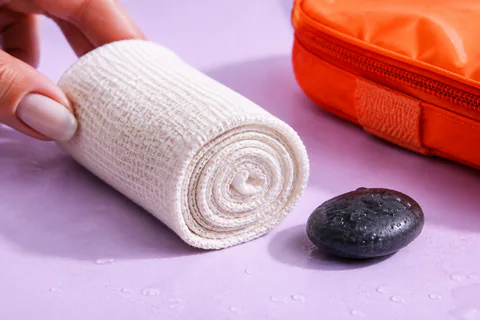
First aid for a suspected blue-ringed octopus bite
Treat the bite as potentially life-threatening. A small or painless mark does not make it safe to watch and wait.
- Get clear of danger. Help the person out of the water or away from the rock pool without touching or trying to catch the octopus. Avoid unnecessary walking or movement.
- Call Triple Zero (000). Ask for an ambulance and say that a blue-ringed octopus bite is suspected. Put the phone on speaker and follow the call-taker’s instructions.
- Check breathing and keep them still. If they are unresponsive and not breathing normally, start CPR now. Otherwise, keep them lying still and reassured. Bring help to them rather than making them walk.
- Apply pressure immobilisation. If the bite is on an arm or leg, apply a firm, wide bandage over the bite, then bandage the whole limb from the fingers to the shoulder or from the toes to the hip. Splint the limb, including the joints on either side of the bite, and keep it still. Do not delay CPR to apply a bandage.
- Watch breathing continuously. Stay with the person. If they become unresponsive and are not breathing normally, start CPR immediately and continue as directed until professional help takes over.
How firm should the pressure bandage be?
Use a broad elastic bandage if one is available. The pressure should be firm and even, similar to bandaging a sprain. The aim is to slow lymph flow while keeping the limb immobilised.
If you do not have a bandage, use clothing, towels, socks or stockings. Do not delay the 000 call while looking for ideal equipment. Once the bandage and splint are on, leave them in place for ambulance or hospital staff to manage.
If the bite is not on a limb, apply firm direct pressure over the bite if practical. Do not restrict breathing or chest movement, and never apply firm pressure to the head or neck.
Signs can be subtle at first
The bite may be painless and may leave only a small spot of blood. Do not wait for these symptoms before calling 000:
- numbness around the lips, tongue, face or neck
- blurred or double vision, drooping eyelids or difficulty swallowing
- weakness, drowsiness or trouble speaking
- a tight chest, shallow breathing or difficulty breathing
- collapse, unresponsiveness or breathing that is not normal
What not to do
- Do not wait for pain, blue rings, a clear bite mark or other symptoms before seeking help.
- Do not let the person walk, swim or move the bitten limb unnecessarily.
- Do not use a tourniquet, cut the bite or try to suck out venom.
- Do not remove the pressure bandage or splint before hospital assessment.
- Do not try to catch, handle or photograph the octopus if that puts anyone at risk.
- Do not use hot water, vinegar or jellyfish-sting treatment for a suspected blue-ringed octopus bite.
If the person stops breathing normally
Blue-ringed octopus venom can weaken the muscles used for breathing. If the person is unresponsive and not breathing normally, start CPR. Put the 000 call on speaker so the call-taker can coach you.
Continue CPR until the person responds or begins breathing normally, trained help takes over, you are unable to continue, the scene becomes unsafe, or the call-taker directs you to stop. Prolonged support may be needed, so do not assume CPR is failing simply because the person does not respond quickly.
After the ambulance arrives
Tell the ambulance team where and when the bite may have happened, what you saw, when any symptoms began, when the pressure bandage was applied and whether CPR was needed. Leave the bandage and splint in place unless the clinical team tells you otherwise.
Pressure immobilisation
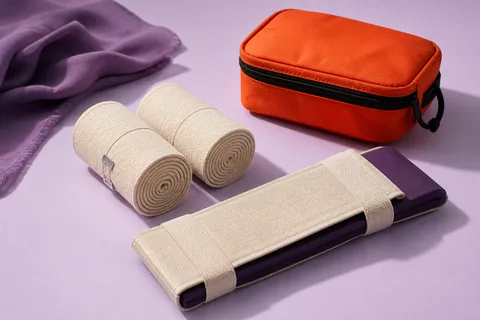
Pressure immobilisation covers the whole limb
Start over the bite, then work from the fingers or toes up the limb. Keep the joints still with a splint and bring help to the person.
Firm and even. Use a broad bandage if available. Do not use a tourniquet or remove the bandage before ambulance or hospital staff take over.
Common questions
Blue-ringed octopus bite questions
Should I call 000 if there are no symptoms?
Yes. A suspected blue-ringed octopus bite needs immediate ambulance assessment. The bite can be painless and serious breathing weakness can develop quickly, so do not wait for symptoms.
Can I use a pressure immobilisation bandage?
Yes. Australian guidance recommends pressure immobilisation for a blue-ringed octopus bite on a limb. Bandage firmly over the bite and then over the entire limb, splint it and keep the person still.
Should I use vinegar or hot water?
No. Those treatments are used for some other marine stings. For a suspected blue-ringed octopus bite, call 000, keep the person still, use pressure immobilisation and be ready to give CPR.
What if I cannot see a bite mark?
Do not rely on a visible mark. A bite may be painless and leave only a tiny spot of blood. If a bite is reasonably suspected, call 000 and follow the emergency steps.
Can a paralysed person still hear me?
They may be able to hear even when they cannot move or respond. Keep talking calmly, explain what is happening and monitor their breathing without interruption.
Keep the next step close
Related first-aid resources
General first-aid information only. In an emergency, call Triple Zero (000) and follow the call-taker.